


ALMOST SOLD OUT | 20 LEFT IN STOCK
Xorita Non-Invasive Mole and Wart Removal Pen
Xorita Non-Invasive Mole and Wart Removal Pen
Portable Laser-Style Beauty Device for Targeted Skin Spot Care
Targeted Application
Pen-Style Design
Convenient Beauty Tool
Compact & Portable
Focused Treatment Tip
Couldn't load pickup availability
-
Ordered
- - -
Order Ready
- - -
Delivered
Description
Description
Product Name
NAD+ Retinol Volumetox Eye Cream (10 ml)
Overview
NAD+ Retinol Volumetox Eye Cream is an advanced under-eye treatment designed to target signs of aging, fatigue, and dullness. Powered by NAD+ and Retinol, it helps rejuvenate delicate eye skin, reduce wrinkles, and improve overall firmness and brightness.
Product Information
Category: Eye Cream / Skincare
Volume: 10 ml (0.33 fl. oz.)
Key Ingredients: NAD+, Retinol
Skin Type: Suitable for most skin types (especially aging and dull skin)
Benefits
Benefits
- Designed for precise, localized use.
- Easy to hold and control.
- Designed for personal-care use.
- Easy to store and carry.
- Helps direct the device toward a selected spot.
Key Features
Key Features
Designed for Precision & Convenience
Focused Treatment Tip
The concentrated tip is designed for targeted application on selected areas.
Easy-Grip Pen Design
The compact shape makes the device comfortable to hold and maneuver.
Precision-Focused Design
The narrow treatment area helps you work more selectively around the target spot.
Convenient Personal-Care Tool
A compact addition to a personal skincare and beauty routine.
Portable Design
Small enough for convenient storage and travel.
Shipping & Delivery
Shipping & Delivery
We process orders within 1-2 business days from our warehouse.
After dispatch, the estimated delivery time varies based
on the shipping method you choose, generally taking up to 10 days.
Refund & Returns
Refund & Returns
Our commitment to your satisfaction is evident in our products, backed by a 30-Day 100% Money Back Guarantee.
We are pleased to inform you that we even include a refund for shipping charges.
If, after this initial period, you find yourself not fully satisfied, we will initiate a refund for the entire amount you paid.


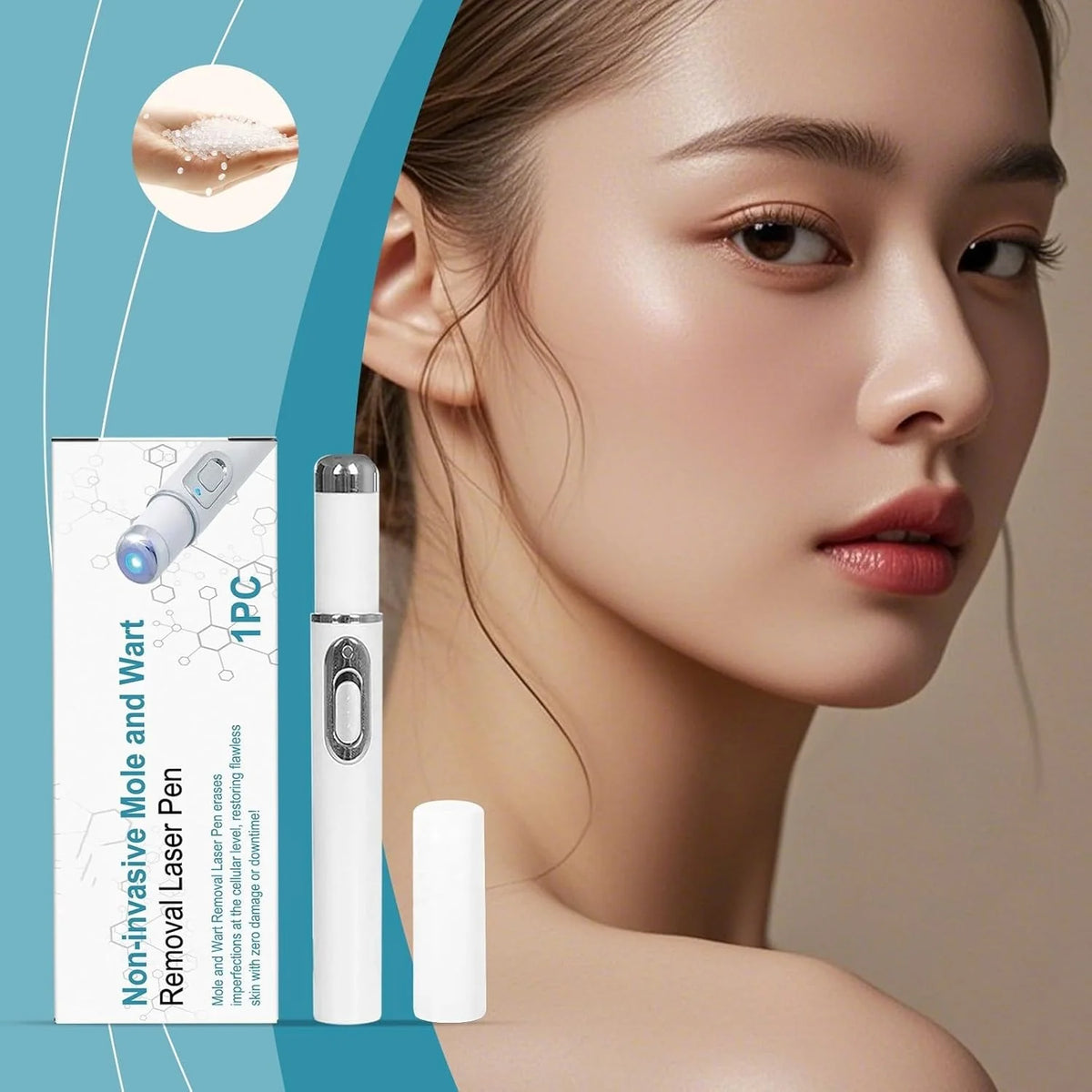
Target Small Skin Spots With Precision
A compact handheld beauty device designed for targeted treatment of selected small surface skin spots.
Its pen-style design makes it easy to hold and maneuver, while the focused tip allows you to work on a specific area rather than treating the surrounding skin.
Compact • Precise • Easy to Handle • Portable

Tired of Noticeable Skin Spots?
Small visible spots can sometimes make you feel self-conscious about your skin, especially when they're located on areas such as the face, neck, or other visible areas.
Instead of constantly trying to cover them with makeup, this compact pen-style device is designed for targeted skin-spot treatment.
A More Targeted Approach to Skin Care
Its slim design gives you better control around small areas, helping you focus on the specific spot you're working with.

Meet Your Compact Skin Spot Treatment Pen
Designed with a slim handheld body and focused treatment tip, this device provides a convenient way to approach small, selected skin spots with precision.
Its lightweight pen-style construction makes it simple to hold and maneuver during use.
HOW IT WORKS?
Focused Energy. Targeted Application.
The device is designed to deliver focused energy through its treatment tip to a selected skin spot.
Rather than applying treatment broadly across the skin, the pen-style design allows the user to work on a small, specific area.
Important: The exact operating mode, intensity, treatment duration, and suitability depend on the actual device specifications and manufacturer instructions.
How To Use Your Skin Spot Removal Pen?
STEP 1 — CLEAN THE AREA
Clean the skin around the selected area and allow it to dry completely.
STEP 2 — CHECK THE SPOT
Only consider using the device on a spot that has already been assessed as appropriate for cosmetic treatment.
STEP 3 — SELECT THE APPROPRIATE SETTING
Use the device according to the manufacturer's instructions and begin with the appropriate setting.
STEP 4 — POSITION THE TIP
Position the treatment tip carefully over the intended area without unnecessarily treating the surrounding skin.
STEP 5 — USE AS DIRECTED
Operate the device according to the manufacturer's specified treatment duration and instructions.
STEP 6 — AFTERCARE
Follow the manufacturer's aftercare instructions and keep the treated area clean while it heals.
Please Read Before Use
This is an important section I strongly recommend putting directly on the product page.
Do not use this device on a mole or skin growth that is new, changing, bleeding, itching, irregular, or otherwise suspicious.
A dermatologist should evaluate suspicious or changing moles before removal. Dermatologists warn that attempting to remove a mole at home can result in scarring, infection, and delayed diagnosis of melanoma or other skin cancers.
Avoid
- Eyes and eyelids
- Broken or infected skin
- Suspicious or changing moles
- Areas with active irritation
- Unidentified skin growths
- Direct eye exposure to the laser/light
FDA guidance also warns that laser products can pose injury risks when they do not meet appropriate safety requirements or are used improperly.
who is it for?
Made For Targeted Personal-Care Use
This device may appeal to adults looking for a compact tool for selected cosmetic skin-spot applications, provided the area is appropriate for treatment and the device is used according to its instructions.
Not For Everyone
Do not use it on an unidentified or suspicious skin growth. If you're unsure what a spot is, have it checked by a qualified healthcare professional first.

Give Your Skin Time To Recover
After treatment:
- Keep the area clean.
- Follow the manufacturer's aftercare instructions.
- Avoid unnecessary touching or picking.
- Avoid harsh skincare products on the treated area.
- Protect the area from excessive sun exposure.
- Allow the skin to heal naturally.
- Seek medical advice if you notice concerning or worsening symptoms.
What Results Can You Expect?
With appropriate use, the goal is to improve the appearance of selected cosmetic skin spots over time.
Results and healing can vary considerably between individuals.
What Our Customers Are Saying
You May Also Like This
-
 SAVE 49%
Tighten & Lift Neck Cream
Regular price Dhs. 75.99Regular price Dhs. 75.99 Sale priceUnit price perDhs. 150.0049% -
 SAVE 50%
Pack of 4 Herbal Diffuser
Regular price Dhs. 85.00Regular price Dhs. 85.00 Sale priceUnit price perDhs. 170.0050% -
 SAVE 52%
Color Changing Foundation Stick
Regular price Dhs. 89.00Regular price Dhs. 89.00 Sale priceUnit price perDhs. 189.0052%


GOT Questions?
We've Got Answers!
Q1. What is this device used for?
Q1. What is this device used for?
It is a handheld laser-style beauty device designed for targeted cosmetic treatment of selected small skin spots.
Q2. Can I use it on any mole?
Q2. Can I use it on any mole?
No. Do not use it on an unidentified, suspicious, new, changing, bleeding, or itching mole. Have concerning spots evaluated by a dermatologist first.
Q3. Is this suitable for the face?
Q3. Is this suitable for the face?
The face contains delicate areas, including the eyes. Only use the device where the manufacturer permits it and never use it near the eyes or on suspicious lesions.
Q4. Will it leave a mark?
Q4. Will it leave a mark?
Individual healing varies, and skin treatment can cause irritation, pigmentation changes, or scarring. Do not advertise it as “scar-free” or “zero risk.”
Q5. Does it permanently remove a mole?
Q5. Does it permanently remove a mole?
Do not promise permanent removal. The result depends on the type of spot and individual healing.
Q6. Can I use it around my eyes?
Q6. Can I use it around my eyes?
No. Keep laser/light sources away from the eyes and follow all manufacturer safety instructions. Lasers can cause serious eye injury with direct exposure.
Q7. Can I use it on irritated or broken skin?
Q7. Can I use it on irritated or broken skin?
No. Avoid irritated, damaged, infected, or broken skin unless specifically directed by a qualified professional.
Q8. How long does healing take?
Q8. How long does healing take?
Healing varies according to the treated area, depth of treatment, individual skin characteristics, and aftercare. Follow the manufacturer's instructions.
Q9. Can I use it on skin tags or warts?
Q9. Can I use it on skin tags or warts?
Don't automatically market it for medical treatment of skin tags or warts unless your device has appropriate authorization and instructions for those uses.
Q10. What if a mole starts changing?
Q10. What if a mole starts changing?
Stop and have it evaluated by a dermatologist. Changes in size, shape, color, itching, or bleeding can require medical assessment.